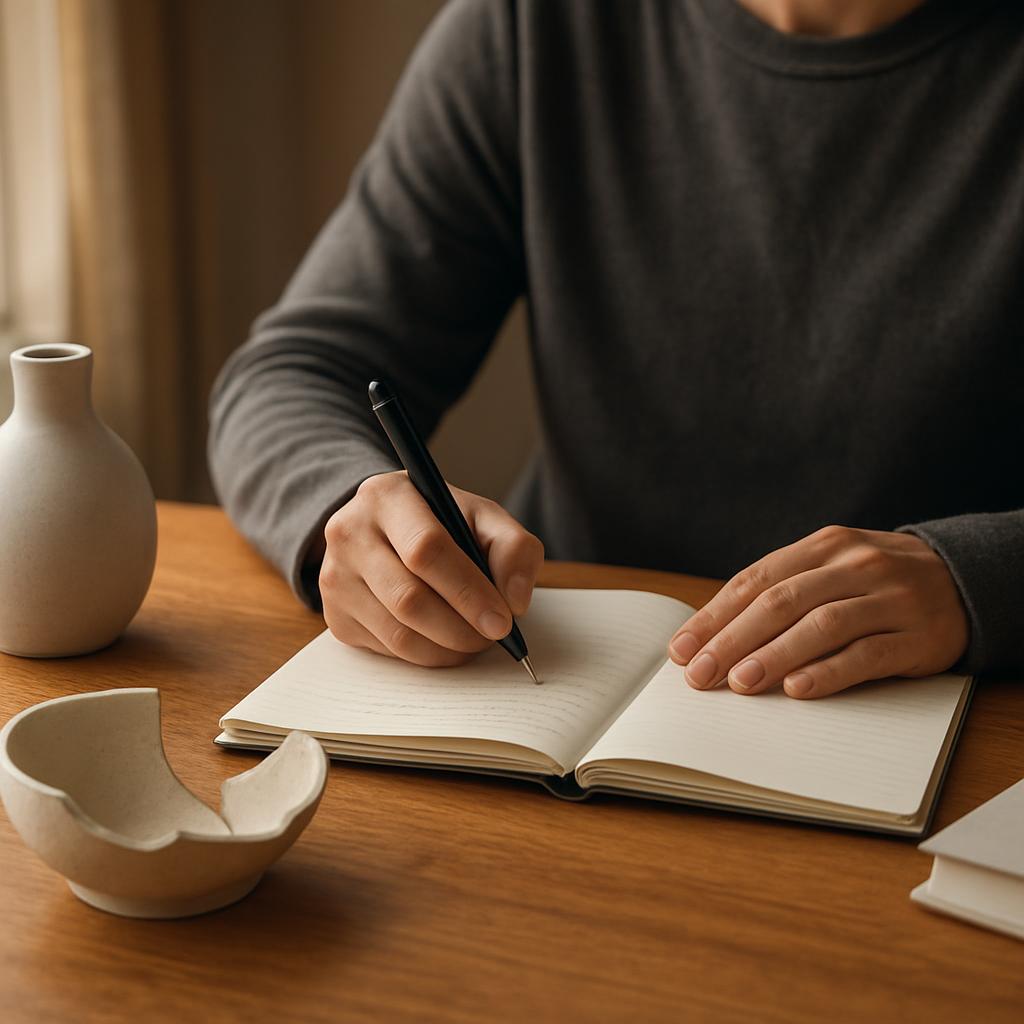
What's Going Wrong With Your Ceramic Keepsakes
Find Out More →We see the same slip-ups happen in Burton Joyce over and over. Someone comes in wanting to make a ceramic keepsake—maybe it's a memory of a loved one, or a family milestone—and they've already made a decision that's going to cost them time, money, or heartache. The good news? Most of these mistakes are completely avoidable once you know what to watch for.
Waiting Until the Last Minute
This is the number one issue we come across. Someone decides they want a ceramic keepsake for a special occasion and gives us two weeks to turn it around. Then life happens—a family gathering gets brought forward, or they're suddenly buying the gift as an afterthought—and suddenly we're being asked to work miracles.
Ceramic keepsakes aren't like ordering something online for next-day delivery. There's a real process involved: design work, glazing, firing, finishing. Each step matters if you want something that actually looks good and lasts. When you rush it, corners get cut, details get missed, and you end up with something that doesn't match what you had in your head.
If you're thinking about commissioning a ceramic keepsake, start the conversation sooner rather than later. Four to six weeks is a realistic window that gives the work proper attention. We know life in Burton Joyce gets busy—between the shops on Main Street, school runs, and everything else—but a bit of forward planning makes a genuine difference to the finished piece.
Being Vague About What You Actually Want
You'd be surprised how many people come in with a general idea but can't quite explain it clearly. They say something like "I want it to feel personal" or "something about family," and then when they see the first draft, it's completely different from what they were imagining.
The clearer you can be at the start, the better. Bring photos if you have them. Write down specific details that matter—names, dates, meaningful symbols. If it's a memorial piece, think about what captures that person. If it's celebrating a milestone, what does that milestone actually mean to you? These specifics are what make a ceramic keepsake genuinely yours, not just a nice object.
Don't worry about it sounding silly or too detailed. That's our job—to translate what you're describing into something beautiful. But we need you to do the describing first. As we covered in this guide, clarity at the beginning saves rework later.
Underestimating the Importance of Material Quality
Some people think ceramic is ceramic. It's not. The clay body, the glazes, the firing temperature—these all affect how the finished piece looks, feels, and wears over time. A keepsake made from cheap materials won't hold up the way it should, and after a few years, it'll start to show its age in all the wrong ways.
This is especially important in Burton Joyce, where we're near enough to the River Trent that damp can be a real issue in some homes. A poorly made ceramic piece can start to degrade if it's exposed to moisture. Proper glazing and firing create a protective surface that actually stands up to real living conditions.
When you're budgeting for a ceramic keepsake, don't just look at the price tag. Ask about the materials. Where does the clay come from? What glazes are being used? How is it fired? You're investing in something that should last decades, possibly generations. It's worth getting it done properly.
Not Thinking About Where It'll Actually Live
A ceramic keepsake needs a home. Not just any shelf, but a place where it'll be displayed, protected, and appreciated. Some people commission a beautiful piece and then aren't quite sure what to do with it—they tuck it away in a cupboard or put it somewhere that doesn't really show it off.
Before you start the process, think about where this piece will live. Is it going on a shelf in your lounge? A bedroom? A garden space? Will it be handling a lot of handling, or will it sit undisturbed? Is it something you want to see every day, or more of a special-occasions display? These questions matter because they affect both the design and the practical considerations—like whether you need a stand, or if it needs to be extra durable.
This also ties into the broader point about intentionality. Our guide on common blunders covers how ceramic keepsakes work best when they're part of your space, not an afterthought. Think about it as part of the creative process, not something to figure out after the piece is finished.
Glossing Over the Details in Your Brief
Hand in hand with being vague is leaving out the details that matter. Someone will commission a piece and mention the overall concept, but forget to say that the person it's for hates bright colors, or that there's a specific pattern or motif that means something to them, or that it needs to be small enough to fit on a particular shelf.
Details like these seem small, but they're what separate a nice generic keepsake from something that feels like it was made specifically for you. Write them down. Tell us about the colors that remind you of that person. Mention the hobbies, the favorite places, the little quirks. As we've noted before, the best ceramic keepsakes are built on specifics, not generalities.
Get It Right From the Start
These mistakes aren't irreversible, but they do make the process longer and more frustrating than it needs to be. A ceramic keepsake is meant to be meaningful—something that adds genuine value to your life or someone else's. That starts with getting the groundwork right.
If you're thinking about commissioning a ceramic keepsake in Burton Joyce, take a bit of time to think through what we've covered here. Plan ahead. Be clear about what you want. Invest in quality. Picture where it'll live. Sweat the details. And then get in touch with Ceramic Keepsakes Burton Joyce to turn that vision into something real. We're here to help make it happen.
Looking for Ceramic Keepsakes near Burton Joyce?
We have secure, flexible units available in the area. Get in touch with Ceramic Keepsakes Burton Joyce today.
Find Out More →